Forged in Carolina, Proven in Combat: The Story of HM1 Luis Fonseca Jr., USN “Doc Speedy”
When HM1 (FMF) Luis Fonseca Jr. arrived in North Carolina for field medical training, he was a young Navy corpsman with a deep sense of purpose but no idea how quickly his courage would be tested. At Camp Lejeune and the Field Medical Training Battalion, he was trained not only in trauma care and field medicine, but in what it means to serve side by side with Marines, to earn their trust, and to be ready when it matters most.
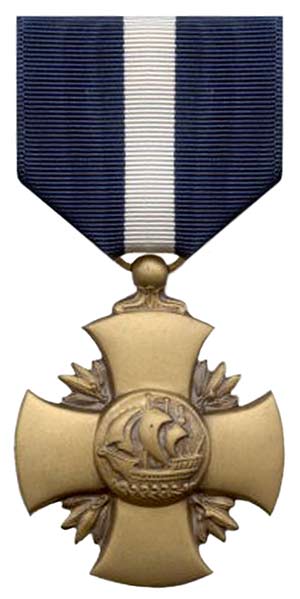
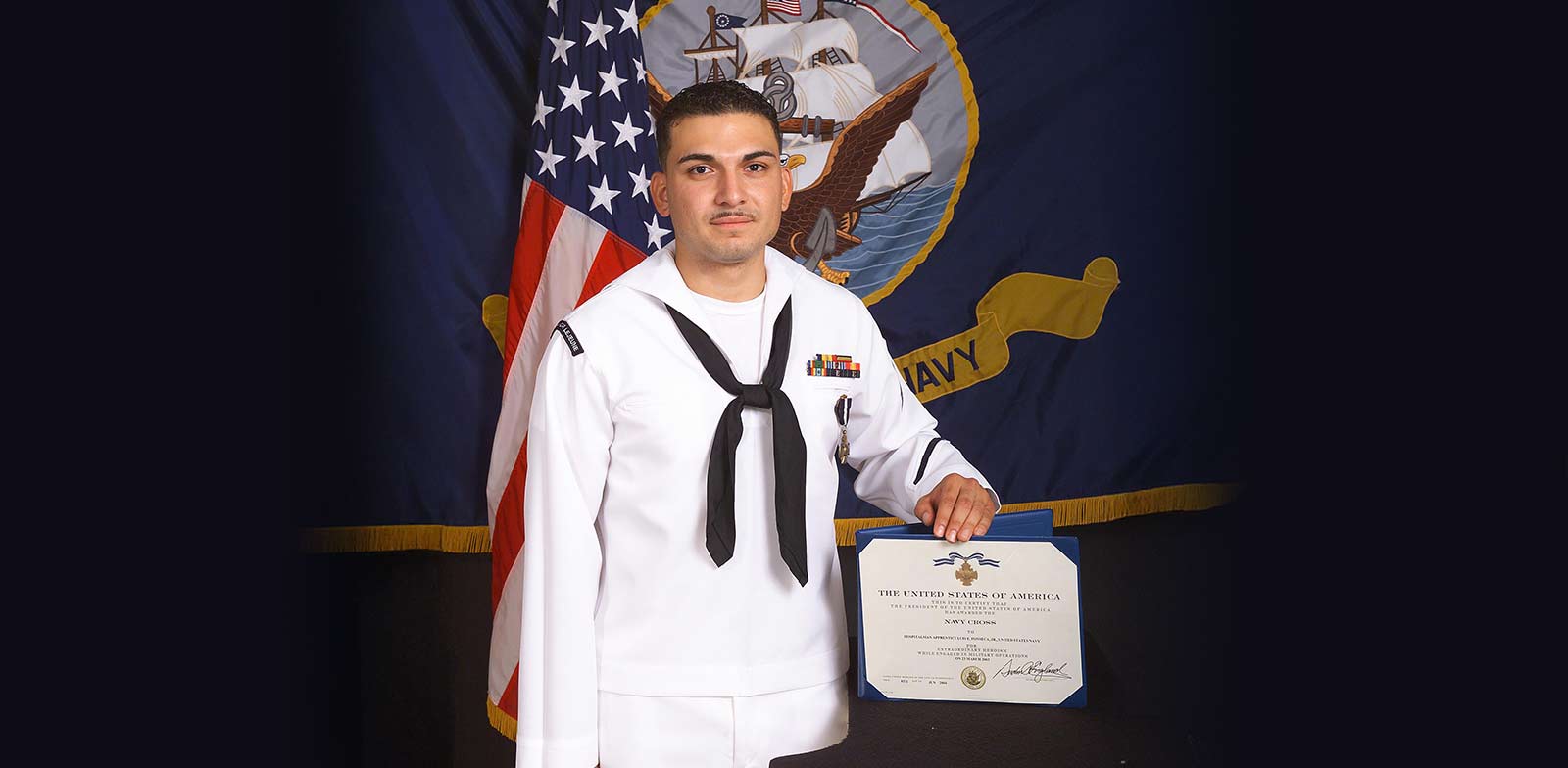
Just two years later, during the 2003 invasion of Iraq, Fonseca would become the youngest living recipient of the Navy Cross for heroism. Amidst heavy fire near Nasiriyah, Iraq, he raced through open terrain to rescue five wounded Marines from a disabled amphibious assault vehicle. With calm resolve, he stabilized and evacuated them—even as rocket-propelled grenades and small arms fire rained down. He was 20 years old.
Fonseca’s bravery reflects the very essence of what the Carolina Museum of the Marine exists to honor: the extraordinary bond between Marines and Navy corpsmen, and the character forged through service in the Carolinas. “Everything I needed to know to save lives, I learned at Camp Lejeune,” Fonseca has said in interviews. “They taught me to run toward danger, not away from it.”
Today, Fonseca continues to serve, mentor, and speak on the values of courage, loyalty, and sacrifice. His legacy—like so many shaped at Camp Lejeune, Cherry Point, and New River—reminds us that leadership is not a matter of rank, but of readiness to serve others at great personal cost.
As we prepare to open Carolina Museum of the Marine, we carry stories like HM1 Fonseca’s with us—living proof that our region has shaped not only warriors, but heroes. Marines and Sailors whose service helped define the legacy our Museum is built to honor.