
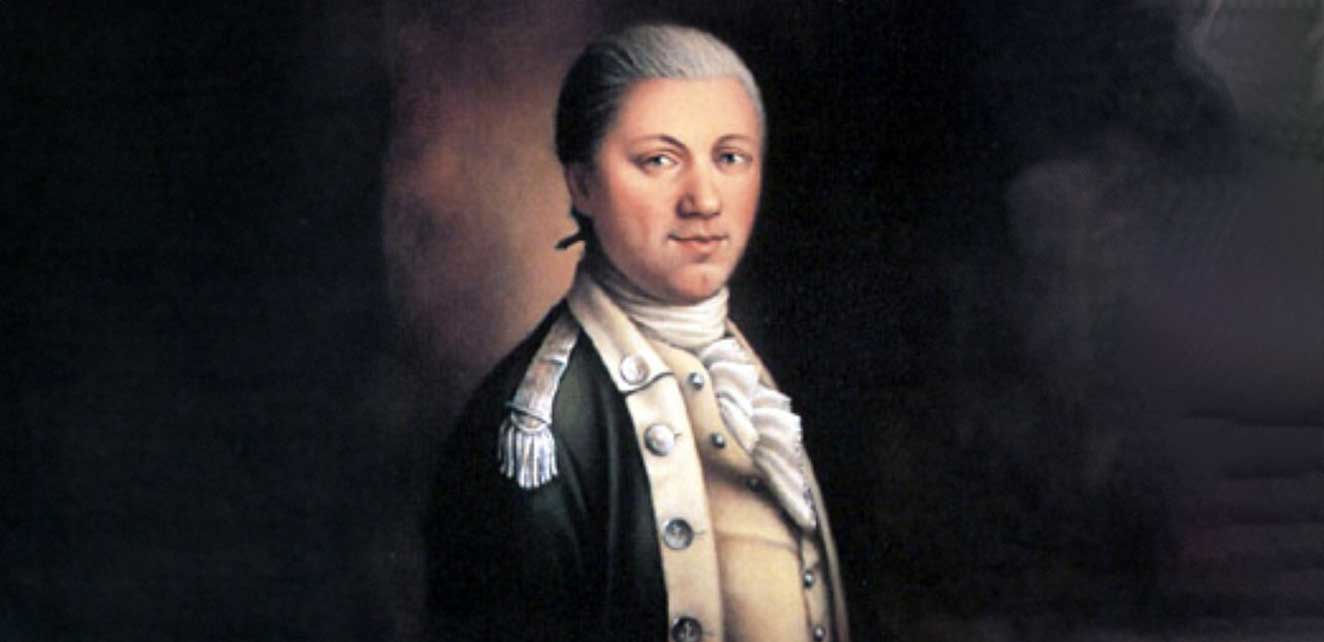
Major-Sam-Nicholas

The Measure of Authentic Leadership: Major Samuel Nicholas

In November 1775, the Continental Congress commissioned Major Samuel Nicholas as the first officer of the newly formed Continental Marines. A native of Philadelphia and a man of deep integrity, Nicholas embodied what North Carolinians later enshrined as their state motto: Esse Quam VideriTo Be, Rather than to Seem.

Nicholas’s leadership was not born of appearance, but of substance. He organized the first Marine companies from among seafaring men and patriots who understood the risks of service before a single battle was fought. His command at the Battle of Nassau in 1776—the first amphibious landing in Marine Corps history—revealed a leader who led by example, not by rank alone. His men trusted him because he was what he appeared to be: disciplined, fair, and unwavering in his devotion to duty.

Authentic leadership, as Nicholas lived it, requires humility and courage—the willingness to act rightly even when recognition is uncertain. His quiet steadfastness set a precedent that would define generations of Marines who followed. In Nicholas, we see the earliest expression of a Corps built not on the pretense of honor, but on the daily practice of it.

To be, rather than to seem—Major Samuel Nicholas lived this truth more than two centuries ago. His legacy reminds us that genuine leadership begins not in command, but in character.
Similar Posts

  • Huerth Street

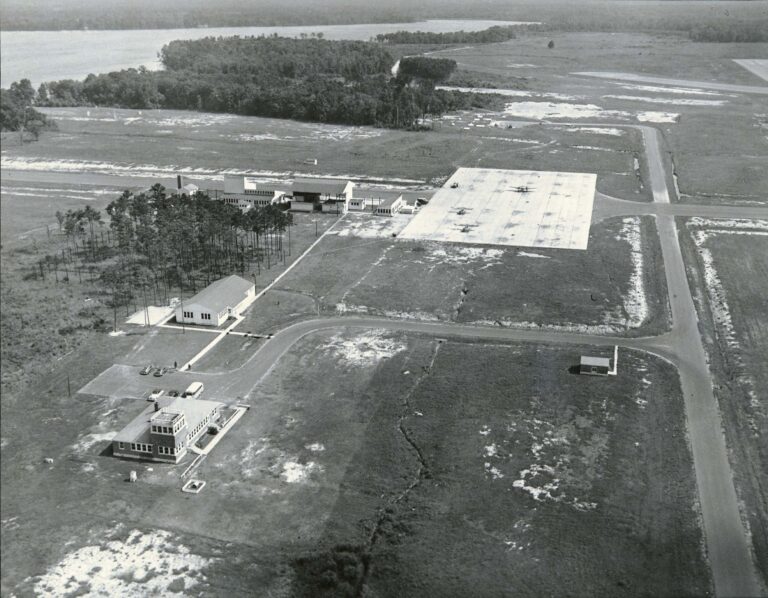
    LtCol L. J. Kimball, USMC (Ret) 9 Jan 2022 In August of 1942, the citizens of Onslow County were cheered by the news that the 1st Marine Division (MarDiv), which had occupied the adjoining Marine Corps base of Marine Barracks (MarBks) New River (now Camp Lejeune), since beginning with the advance party’s arrival in September 1941,…

  • The First Marines

    Beginning during the summer of 1940, the Marine Corps had actively searched the east and Gulf coasts for a division training area. A selection board, headed by Colonel Julian C. Smith, who would later command the 2nd Marine Division during the epic battle for Tarawa, eventually settled on the New River area of Onslow County. One…

  • History In Stained Glass  

    By the completion of the first phase of construction (15 Apr 1941-30 Sep 1942) at the New River Marine Barracks (subsequently Camp Lejeune), 1431 buildings had been finished. Of particular note were the two main post chapels-Building 16 (Protestant) and 17 (Catholic)-located on the Main Service Road (now McHugh Blvd) in the main post area,…

  • Maui Marines No Ka Oi

    By Lisa Potts, CWO5 USMC (Ret.) After forming at New River (Camp Lejeune), North Carolina from October 1942 to February 1943 the Twenty Fourth Marine Regiment was activated at Camp Pendleton.  On their first Christmas under the Regimental banner, Colonel Franklin A. Hart proudly commanded – “Members of the Twenty Fourth we have trained hard…