Educational Resources

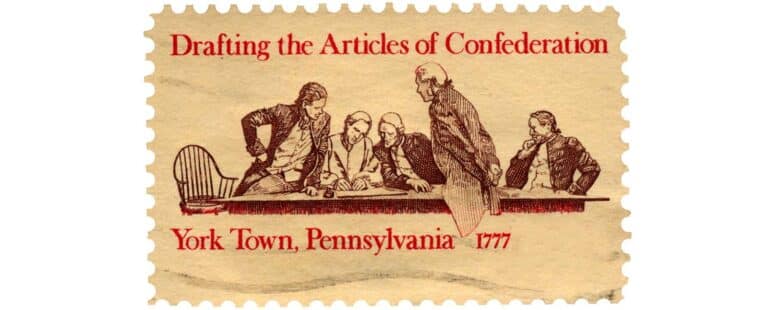
  • Articles of Confederation and Perpetual Union

    ARTICLES OF CONFEDERATION—1777 1 To all to whom these Presents shall come, we the undersigned Delegates of the States affixed to our Names send greeting. Whereas the Delegates of the United States of America in Congress assembled did on the fifteenth day of November in the Year of our Lord One Thousand Seven Hundred and…

  • Grow, Don’t Climb

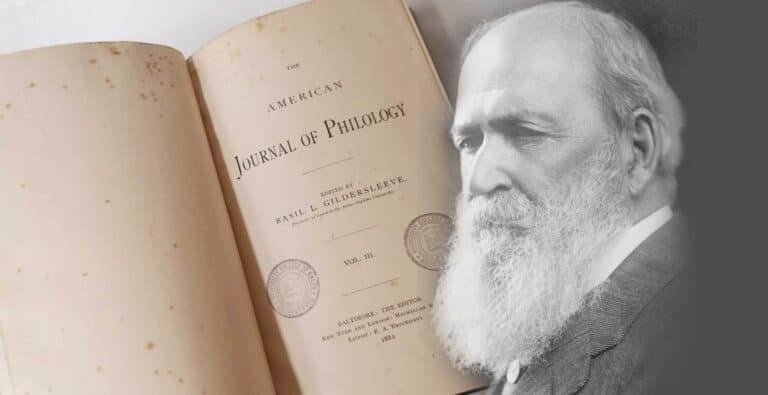
    Basil L. Gildersleeve was born October 23, 1831 in Charleston, South Carolina. He was among the first Americans to earn a German doctorate in Gottingen University. In 1856, Gildersleeve was appointed professor of Greek, and later of Latin, also, in the University of Virginia. During the war of 1861-65, Gildersleeve taught classes in the fall…

  • The Fire of Freedom

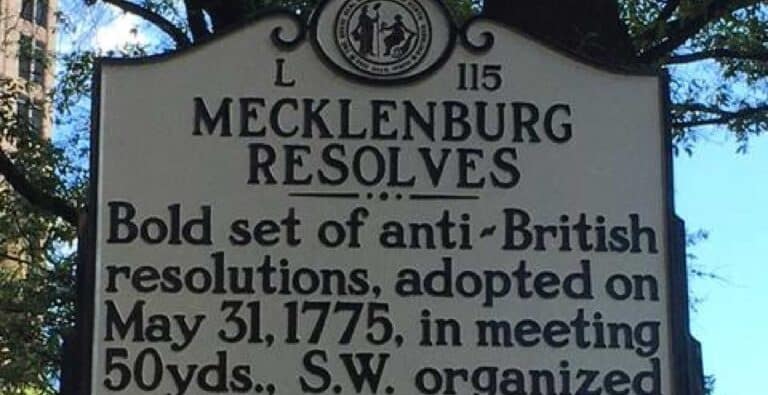
    On May 31, 1775, the citizens of Mecklenburg County, North Carolina seceded from the British Empire. They did this through a series of five resolutions called the Mecklenburg Resolves that were published in the North Carolina Gazette in New Bern on June 16, 1775. (At the time, New Bern was the capital of North Carolina.)…

  • Founding Principles of the United States: The Articles of Confederation and Perpetual Union

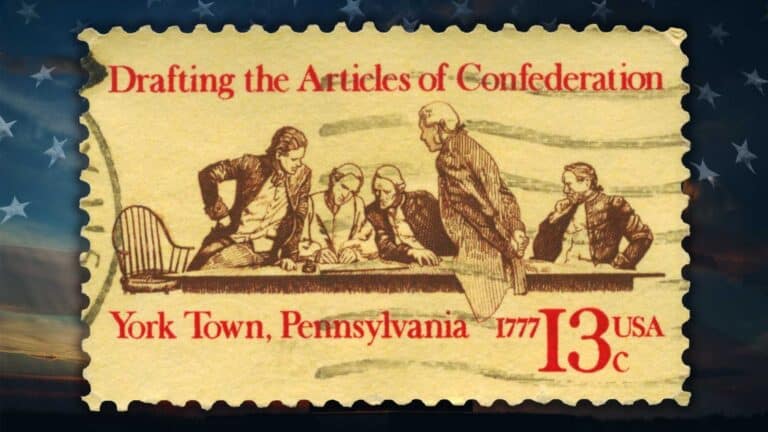
    The Articles of Confederation and Perpetual Union is the first constitution of the United States. When the colonies of British America secured their independence from Great Britain, each colony became a free, sovereign, and independent nation, a fact that is expressly recognized by the British government in the Treaty of Paris in 1783. Americans at…

  • Founding Principles of the United States: The Spirit of ’76

    With the publication of the Declaration of Independence, we may say that we come to the beginning of the United States as a union of mature political societies. Of course, we could have an interesting and probably interminable conversation about the origins of the United States if we look for what we might call the “seeds” of the people from England…

End of content

End of content