chaplain-George-Pucciarelli

A Steady Hand in the Storm:  The Beirut Chaplain Who Never Faltered – George Pucciarelli

On October 23, 1983, a truck bomb destroyed the Marine barracks in Beirut, Lebanon, killing 241 U.S. service members—Marines, Sailors, and Soldiers—who were serving as peacekeepers in a land torn by conflict. The tragedy was, at the time, the deadliest single-day loss for the Marine Corps since Iwo Jima.

At the Beirut Memorial in Lejeune Memorial Gardens, the words inscribed, along with the names of those whom we lost, are: “They came in peace.” Each October, families, friends, and fellow service members gather here to remember those who never came home.

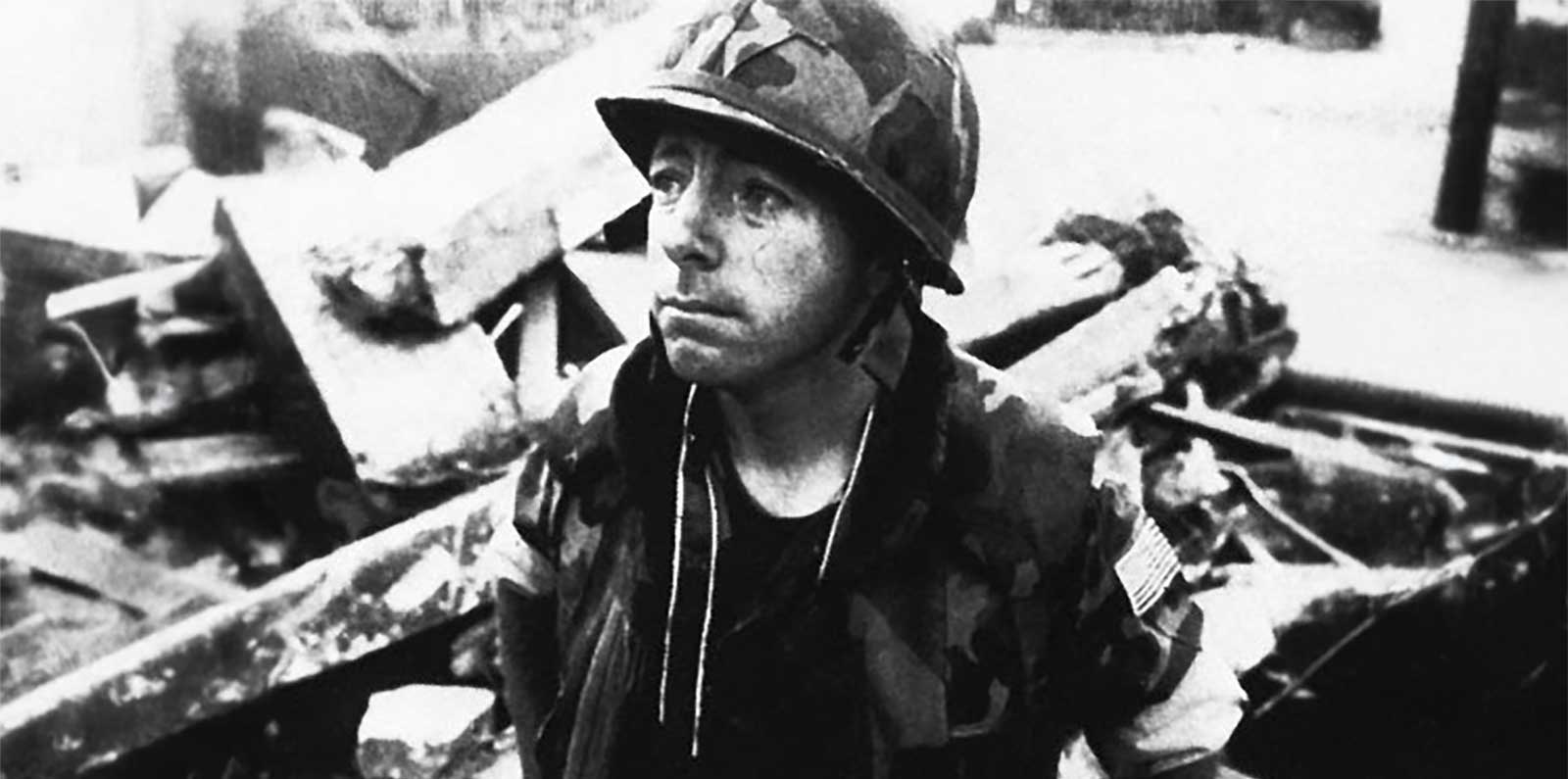
In those harrowing moments after the bombing, Navy Chaplain George Pucciarelli, known affectionately as “Father Pooch,” became a steady hand in the storm. Amid smoke, rubble, and heartbreak, he moved among the wounded and the dying—blessing, comforting, and praying.

He was there for the Marines and Sailors who needed reassurance, and for the families who would later seek solace in the wake of unimaginable loss. His presence exemplified the power of faith, compassion, and service under pressure.


Chaplain Pucciarelli’s legacy endures not only in the memories of those he ministered to that day but in the continuing bond between Marines, Sailors, and their families who gather every October to remember, reflect, and renew their commitment to one another.


Photo: Mike Lyongo / Black Star, Public domain, via Wikimedia Commons

Similar Posts

  • Huerth Street

    LtCol L. J. Kimball, USMC (Ret) 9 Jan 2022 In August of 1942, the citizens of Onslow County were cheered by the news that the 1st Marine Division (MarDiv), which had occupied the adjoining Marine Corps base of Marine Barracks (MarBks) New River (now Camp Lejeune), since beginning with the advance party’s arrival in September 1941,…

  • The First Marines

    Beginning during the summer of 1940, the Marine Corps had actively searched the east and Gulf coasts for a division training area. A selection board, headed by Colonel Julian C. Smith, who would later command the 2nd Marine Division during the epic battle for Tarawa, eventually settled on the New River area of Onslow County. One…

  • History In Stained Glass  

    By the completion of the first phase of construction (15 Apr 1941-30 Sep 1942) at the New River Marine Barracks (subsequently Camp Lejeune), 1431 buildings had been finished. Of particular note were the two main post chapels-Building 16 (Protestant) and 17 (Catholic)-located on the Main Service Road (now McHugh Blvd) in the main post area,…

  • Maui Marines No Ka Oi

    By Lisa Potts, CWO5 USMC (Ret.) After forming at New River (Camp Lejeune), North Carolina from October 1942 to February 1943 the Twenty Fourth Marine Regiment was activated at Camp Pendleton.  On their first Christmas under the Regimental banner, Colonel Franklin A. Hart proudly commanded – “Members of the Twenty Fourth we have trained hard…