Remarks at a Milestone on Our Journey
On 6 May 2016, the Reflection and Celebration Park in Lejeune Memorial Gardens was dedicated at what is now Carolina Museum of the Marine. Dedicatory…

On 6 May 2016, the Reflection and Celebration Park in Lejeune Memorial Gardens was dedicated at what is now Carolina Museum of the Marine. Dedicatory…

With the April issue of “Front and Center,” we have three issues remaining as Carolina Museum of the Marine opens to the public on 8…

A 1991 issue of United States Marine Corps: Concepts and Issues, published when General Gray was commandant, begins with this statement of purpose: “Concepts and Issues provides a…

Last month, we discussed the importance of being able to think critically. This was a skill that in the past was more clearly central in…

On January 6, 1816, Thomas Jefferson, having retired from public life, wrote to a friend named Charles Yancey saying in part: “If a nation expects…

Last month, we discussed the state motto of North Carolina and its implications for individuals and for society more broadly. This month, we follow the…

On February 21, 1893, the General Assembly of North Carolina ratified legislation establishing the Latin phrase Esse Quam Videri as the motto of North Carolina. The Latin…

The Marine Corps understands the importance of tradition. Tradition maintains the identity of a people over time, and a healthy tradition contains within it, through…

What does it mean to be inspired? We needn’t engage in etymological studies or comparative analysis, since these simply complicate a search for meaning that…

In the 17th century, Rene Descartes (d. 1650 A.D.) published several works of philosophy that had a substantial effect on how people in Europe thought about…
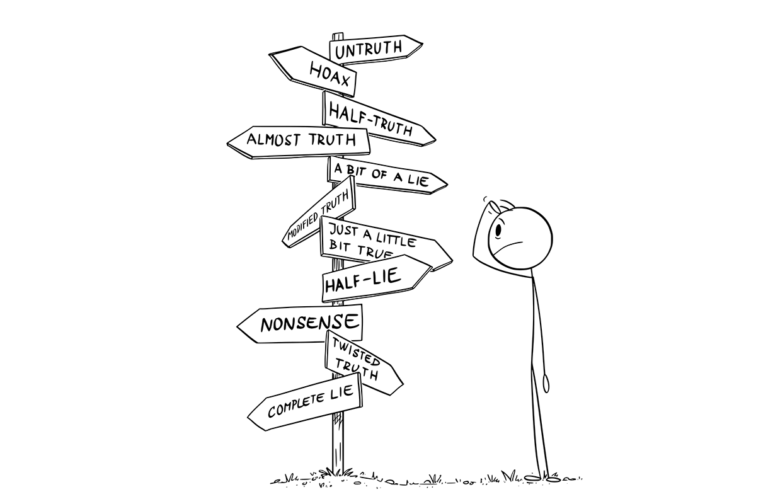
Edward Bernays was born in Vienna, Austria on November 22, 1891 and died in Cambridge, Massachusetts on March 9, 1995. He is generally regarded as…

In last month’s “Front and Center,” we encountered Josef Pieper’s definition of virtues as “perfected abilities,” and thus the important virtue of prudence is the…